
Silicone Feed Rollers — 3D Core with Silicone Coating
Inhomogeneous biological material – plant parts of varying size, moisture and firmness – is difficult to capture and feed reliably by machine. Whether it is fed in reliably depends on the geometry and material of the roller that handles the feed.
Setup
A machine for processing plant parts required various rollers to determine, through testing, which geometries and material pairings would deliver the best results. The goal was a safe, gentle intake of the plant material.
Assignment
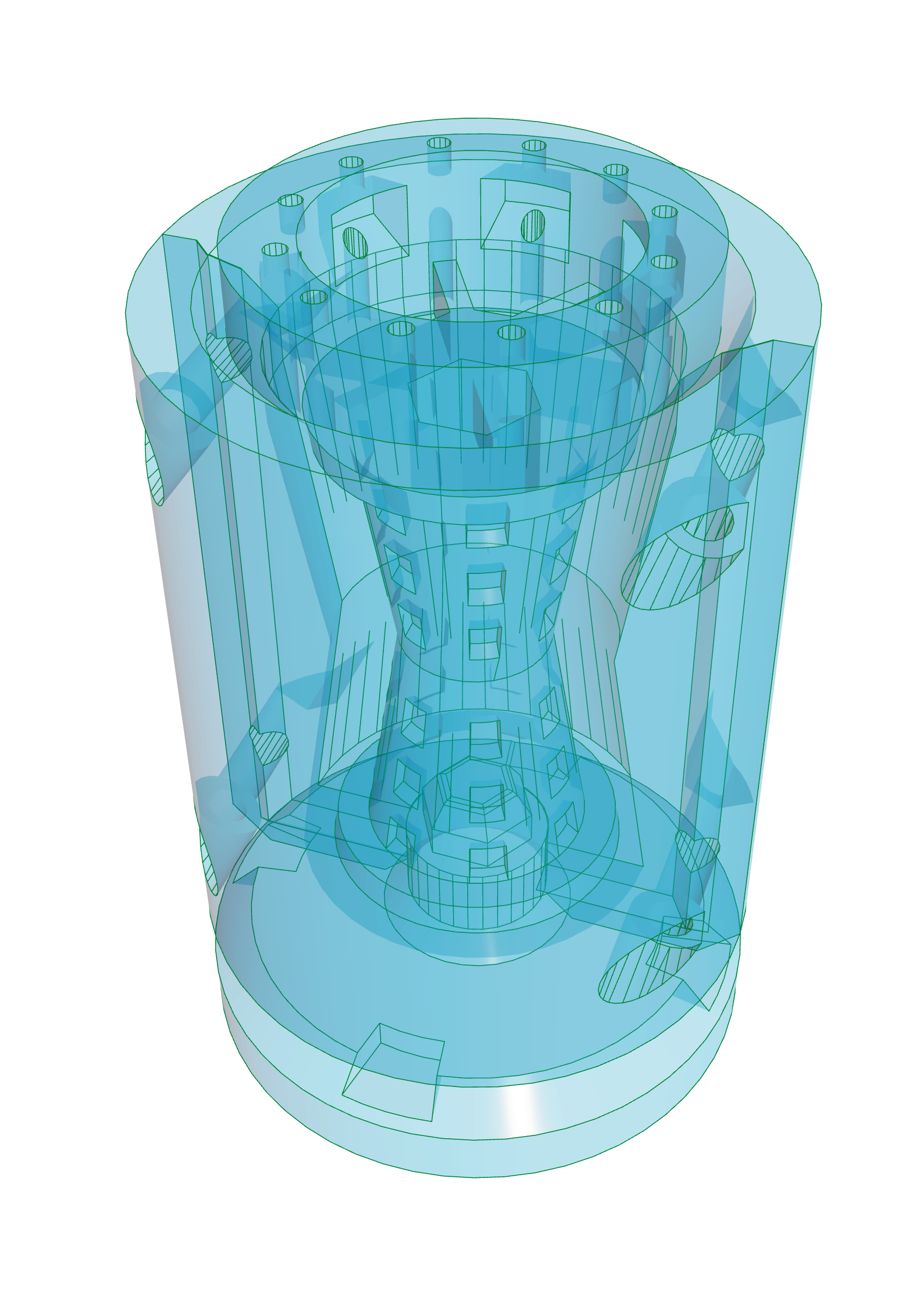
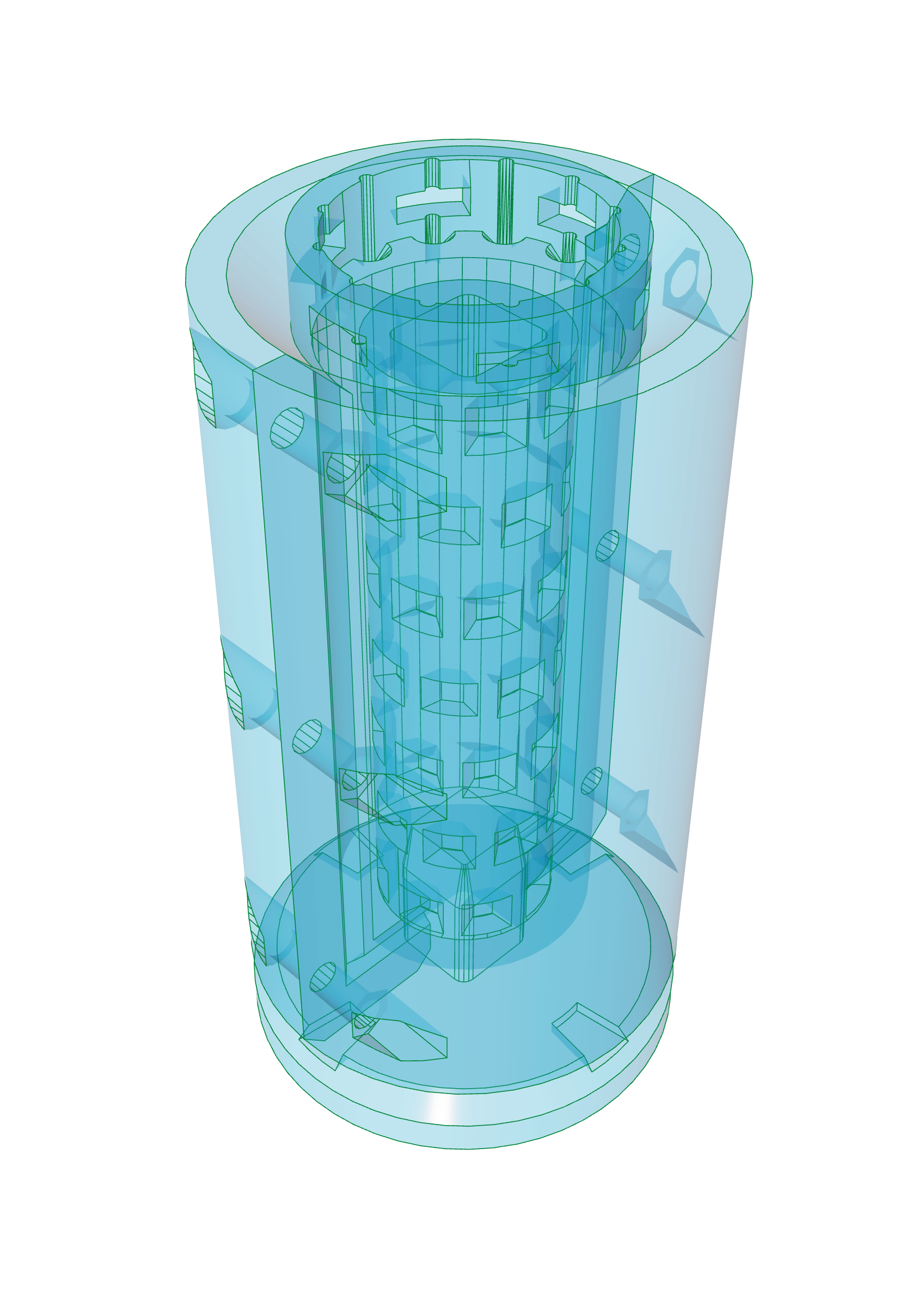
Following coordination and concept development, a base form of the intake roller was designed, which was then manufactured in various versions. The core, which also forms the connection to the machine, was 3D-printed. It was then placed in a mould and overmoulded with silicone. The core was designed so that a form-fit connection is created — the geometry holds the silicone mechanically, while the adhesive bond prevents shifting under load.
Various roller sizes and silicone hardnesses were tested directly in the machine. The material had to be soft enough not to damage the product, yet firm enough for the plant parts to be drawn into the machine.
Result
The prototype rollers work with a load-resistant core-silicone bond.
Numbers & Facts
- ▪different roller sizes tested
- ▪different silicone hardnesses tested
Do you have a similar project?
The more precisely you describe what you need, the more precisely we can tell you what it costs.